A Practical Guide to Troubleshooting HPLC/UHPLC/UPLC System Pressure
If you manage an analytical lab, you know that a UPLC (Ultra Performance Liquid Chromatography) system, or a UHPLC is a true workhorse. But when pressure errors disrupt your runs, the resulting downtime can frustrate your team and delay critical results.
Understanding system pressure is the first step to mastering UPLC / HPLC / UHPLC troubleshooting. In this guide, we will break down the three most common system pressure problems—erratic pressure, overpressure, and no pressure—and show you exactly how to fix them.
( And if your problems cannot be resolved or you need to expand your lab’s capacity on a budget, stick around to the end—we have a cost-effective solution for you! )
First, Establish Your "Normal" Baseline
Before you can identify a problem, you need to know what “normal” looks like. System pressure is heavily affected by your column, mobile phase, flow rate, and temperature, meaning it can vary greatly between different methods.
Always create a pressure reference point when a method is running perfectly. Look at your system’s pressure trace: a healthy UPLC pump will show consistent, evenly spaced pump strokes and a stable pressure ripple (the delta between your minimum and maximum pressure).
Next, Diagnosing the 3 Main Pressure Problems
When the pressure strays from your baseline, it usually falls into one of three categories. Here is how to isolate and fix the root cause.
1. Erratic Flow Rates & Pressure Pulsations
If your pressure trace looks like a rollercoaster, the culprit is almost always air or a pump component issue.
zAir in the System: The easiest fix. Prime the pump using Methanol or Isopropyl Alcohol (IPA) to sweep the air out.
-
Air in the Solvent Lines: Check your mobile phase bottles.
-
Are they empty? Replace the solvent.
-
Are the bottle filters dirty? Remove or replace them.
-
Is the mobile phase poorly degassed? Degas it thoroughly.
-
-
Hardware Issues: If air isn’t the problem, suspect your check valves, seals, or plungers. Sonicate the check valves to clean them, or replace them entirely if the erratic flow persists.
2. Overpressure (System Pressure Too High)
High pressure is the most common UPLC issue. The key to solving it is determining how the pressure rose.
Sudden Overpressure: This indicates a rapid obstruction somewhere in the system or the column.
Gradual Overpressure: This points to the slow accumulation of particulates. Check your in-line filters, column frits, or the column itself.
The Troubleshooting Method:
- Check if any variables changed recently (new mobile phase, lower temperature, different column).
- If nothing changed, remove the column and replace it with a union. If the pressure drops back to normal, your column is the blockage.
- If the system pressure remains high even with a union, you have a system blockage. Work backwards: loosen fittings starting from the last connection in the line, moving back toward the pump. Keep an eye on the pressure—the moment it drops, you’ve found the blocked component. Replace or clean it.
Never loosen fittings under high pressure. Always pause the flow, loosen the fitting, and restart at a low flow rate to test.
3. Low or No Pressure
A sudden drop in pressure usually means fluid is escaping or isn’t reaching the pump.
Low Pressure: Check for system leaks. Inspect all connection points, fittings, and the pump head for pooling solvent. Ensure the method parameters (flow rate, temp) haven’t been accidentally altered.
No Pressure: This means the pump is running dry. Check for empty solvent bottles, massive air bubbles in the lines, or completely failed check valves/seals.
Time for an Upgrade?
Let's Talk Refurbished Waters UPLC Systems
Troubleshooting is a normal part of lab life. But if you are constantly replacing check valves, battling erratic pressures, and losing days to maintenance, your aging UPLC might be costing you more in downtime than it’s worth.
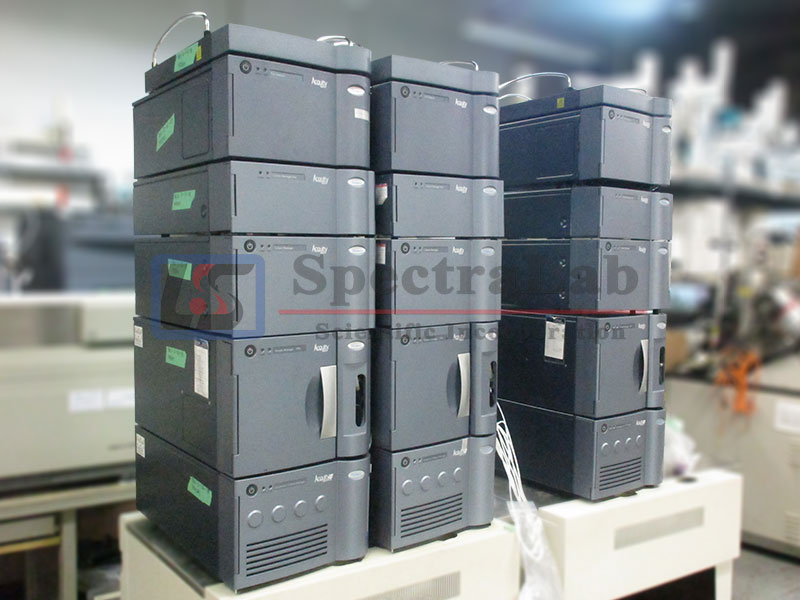
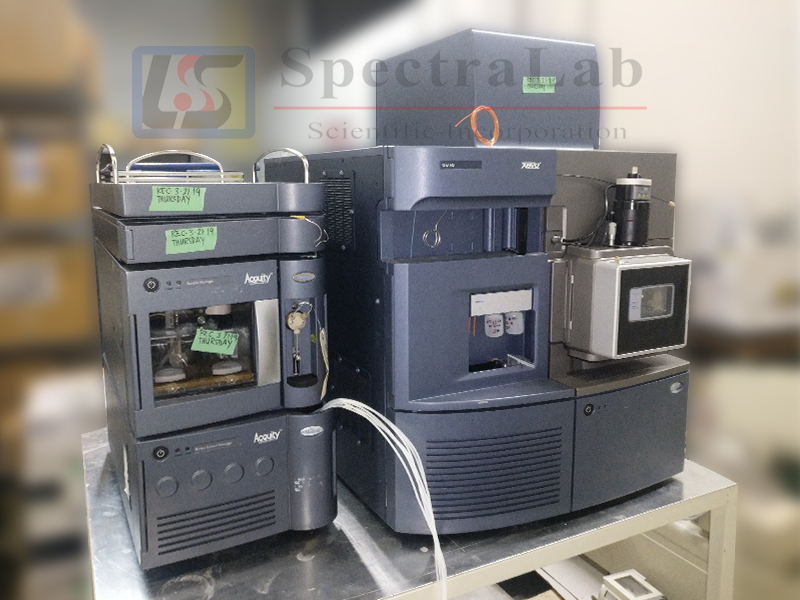
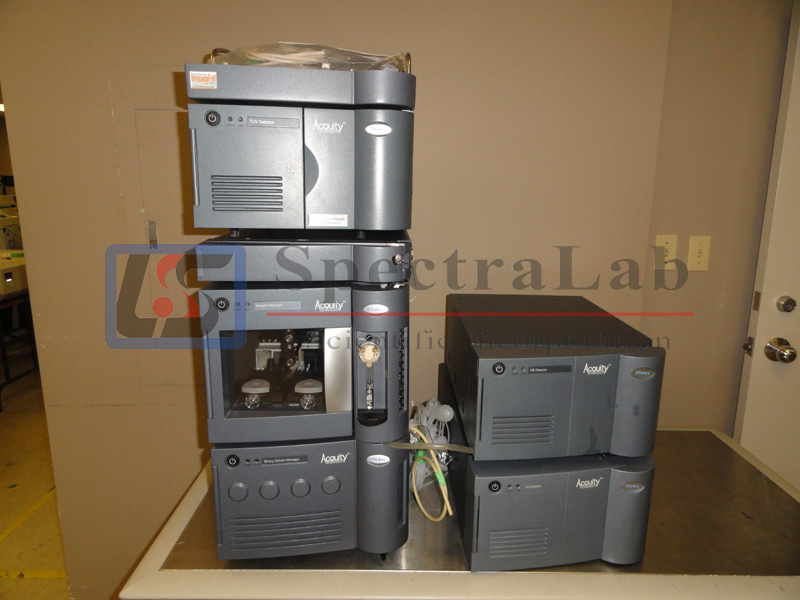
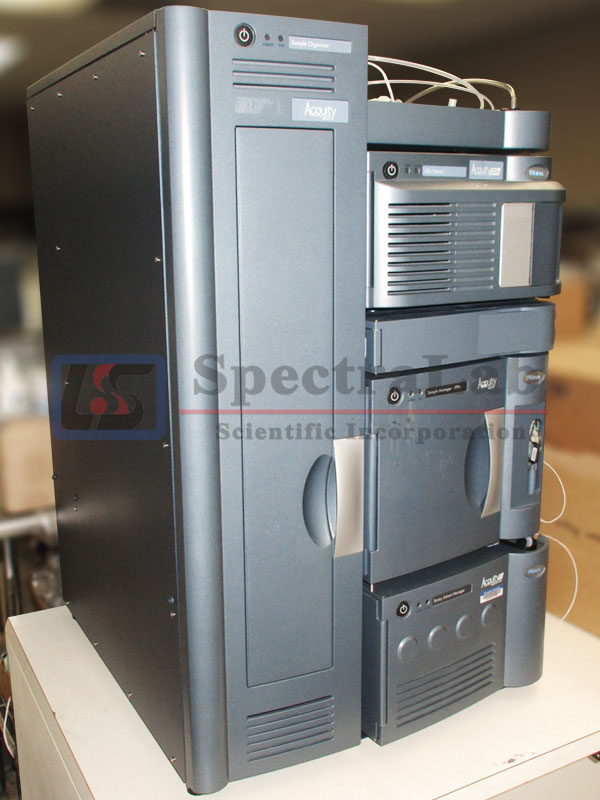
Expanding your lab’s throughput doesn’t have to mean breaking the budget on brand-new equipment. SpectraLab now has multiple refurbished Waters UPLC systems available. We also carry Agilent, Shimadzu, and Thermo UPLC/HPLC/UHPLC to better support our clients’ needs. Each unit will be expertly refurbished, thoroughly tested, and must pass the SpectraLab Certification procedure.