As the Milano Cortina 2026 Winter Olympics officially kicked off last week (February 6–22), the global spotlight isn’t just on the slopes and rinks. It’s on the laboratories. With over 2,200 tests planned and a new high-intensity testing system starting right at the airport, the demand for high-precision analytical chemistry has never been higher. Anti-doping testing is a rigorous field that requires the most reliable technology to detect increasingly sophisticated performance-enhancing substances.
For laboratories looking to scale their testing capacity or enter the anti-doping arena, investing in high-end equipment is essential. Below, we break down the primary testing methods, the substances they target, and the refurbished lab equipment you need to get the job done accurately and affordably.
Methods of Doping Diagnosis
Doping detection relies on a range of methods, including urine, blood, and hair analysis. Here, we will focus on the first two most common tests. These techniques are chosen based on their specific strengths and the requirements of the testing situation.
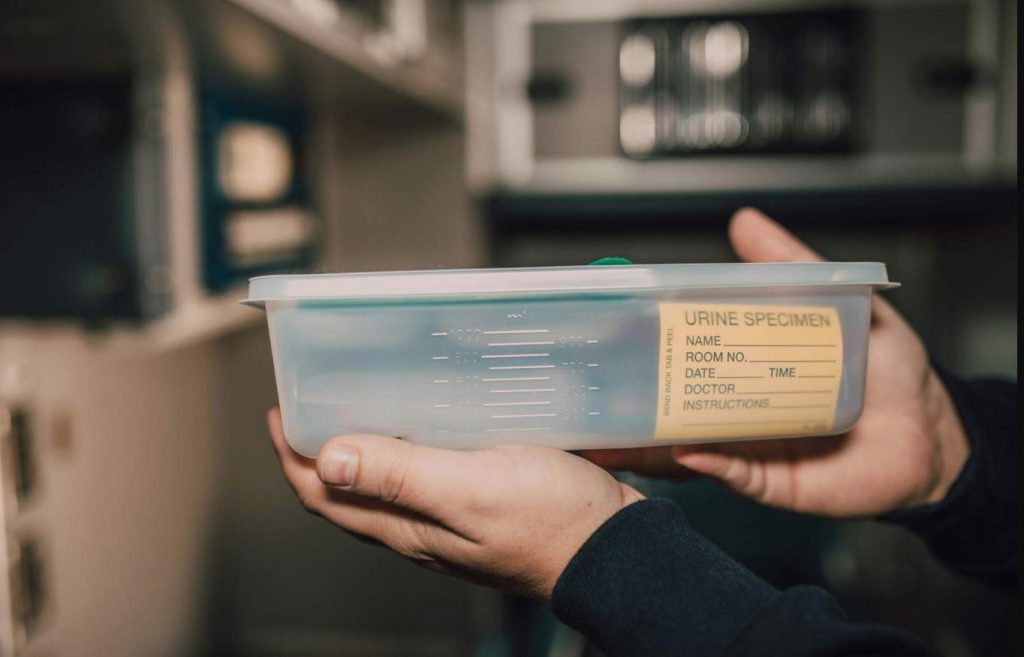
Urine Testing
Urine testing is the bedrock of anti-doping. It is favored because it is non-invasive and allows for the detection of metabolites (breakdown products) that remain in the system longer than the parent drug.
What Substances are they looking for?
Anabolic Steroids: Long-term markers for substances like Stanozolol or Nandrolone. For example, the Kamila Valieva case (Beijing 2022) involved the detection of Trimetazidine in a urine sample.
Stimulants: Fast-acting agents like amphetamines or cocaine, though these typically have a shorter detection window (24–48 hours).
Diuretics and Masking Agents: Substances like Furosemide used to “flush” the system or dilute the urine to hide other prohibited drugs.
Glucocorticoids: Anti-inflammatory drugs that are prohibited in-competition.
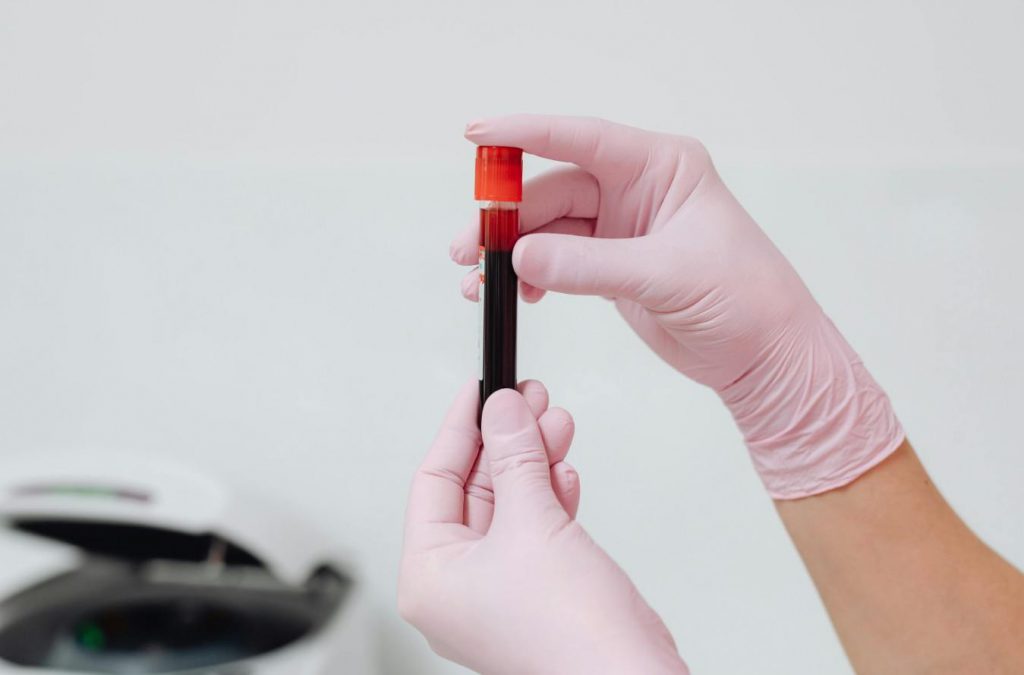
While urine shows what has been processed, blood testing reveals what is currently circulating, including complex proteins that are too large to pass into urine. Blood testing is a more invasive but highly accurate method used to build an Athlete Biological Passport (ABP). This monitors an athlete’s biological variables over time.
What Substances are they looking for?
Peptide Hormones: Human Growth Hormone (hGH) and Erythropoietin (EPO).
Blood Manipulation: Evidence of homologous blood transfusions or synthetic oxygen carriers.
New 2026 Prohibitions: The non-diagnostic use of Carbon Monoxide, which can be used to artificially increase red blood cell production.
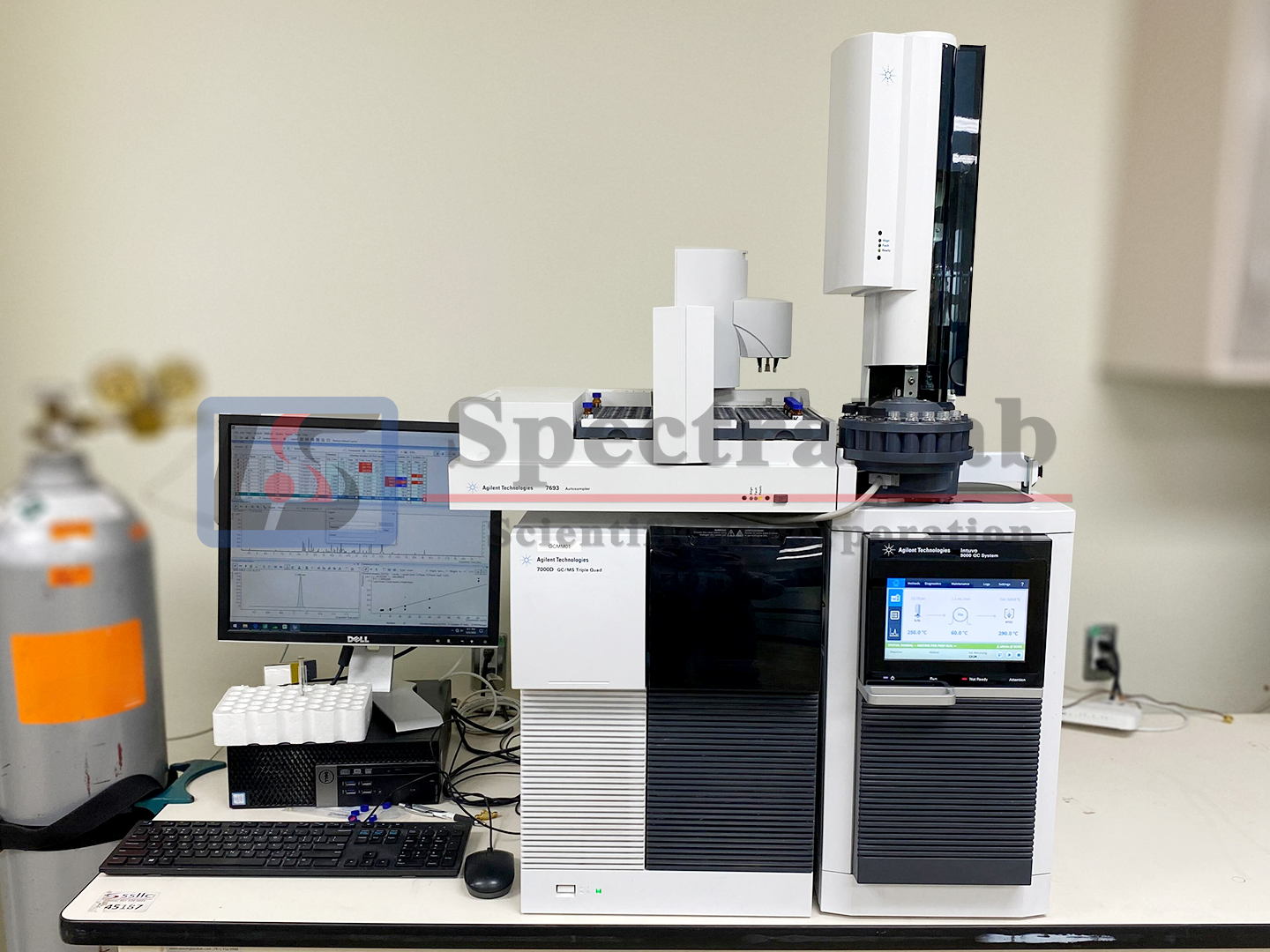
Outfitting a world-class anti-doping lab shouldn’t require an Olympic-sized budget. SpectraLab’s certified refurbished Agilent, Shimadzu, Thermo Scientific, Sciex, Waters, and more systems deliver the precision required for testing at a fraction of the cost of new equipment.